A Complete Guide To Finding Used Class A Motorhomes for Less
Buying a used Class A motorhome can be an exciting yet daunting experience, especially when you have a budget cap of $30,000. These large, luxurious vehicles are perfect for those long family road trips or for anyone wanting to embrace the nomadic lifestyle. However, acquiring one without breaking the bank requires some insider knowledge and a few savvy strategies.
To help you in your quest, we've crafted a comprehensive guide focusing on model-year targets, search strategies, inspection tips, and negotiation tactics that truly make a difference.For many prospective buyers, the dream of owning a Class A motorhome can seem out of reach due to their often hefty price tags. However, with the right approach, you can fulfill this dream while staying within your budget.
Optimal Model-Year Targets for Budget Buyers
One of the most crucial factors for budget-conscious buyers is understanding which model years offer the best value for money.
Typically, Class A motorhomes experience significant depreciation within the first few years. This depreciation slows after about 7 to 10 years, making these vehicles more affordable yet still capable.Targeting motorhomes that are approximately 10 to 15 years old can provide a sweet spot where the steepest depreciation has occurred, yet many still have substantial life and utility. Opt for well-maintained models from reputable manufacturers such as Winnebago, Fleetwood, or Tiffin. These brands have a reputation for durability and offer a range of layouts and features that might suit your needs.
Dos and Don'ts When Selecting a Model Year
- Do research on specific models and verify their historical performance and reliability.
- Don’t be swayed by units that boast too many luxury features that push them to the upper end of your budget.
- Do prioritize functionality and condition over additional frills.
Smart Search Strategies
The search for a used Class A motorhome priced under $30,000 requires a strategic approach. Prioritize online platforms where private sellers list their vehicles, including Craigslist, Facebook Marketplace, and RV forums that feature classified ads. These resources often provide direct contact with sellers, which can lead to better negotiation possibilities.
Patience and persistence are key. Expand your search radius and be open to traveling for the right deal. Many buyers find their perfect motorhome in neighboring states where prices might be more competitive. When possible, attend RV shows and dealer events. Even if the focus is on new models, they often have used options or can connect you with private sellers.
Timing Your Purchase
Understanding the right time to buy can also influence your success. The end of camping season, typically late fall, is often the best time to find deals as sellers aim to offload their vehicles before winter. Similarly, demand dips and dealers are motivated to move inventory, sometimes leading to price drops.
Effective Inspection Tips
When purchasing any used vehicle, a comprehensive inspection is non-negotiable. This is especially true for motorhomes, which encompass both vehicular and residential components. If you're not confident in your own assessment skills, hire an RV inspector for a detailed evaluation. Their insight can save you from expensive repairs.
Components to Watch
- Roof and Sidewalls: Check for leaks, water damage, and delamination.
- Engine and Transmission: Listen for unusual noises and ensure smooth operation during a test drive.
- Brakes and Tires: Tires older than five years should be replaced regardless of tread depth. Check brake response carefully.
- Appliances and Utilities: Test each component, including the generator, air conditioner, and fridge.
Winning Negotiation Tactics
Once you've identified a promising Class A motorhome under your budget, the real game begins—negotiation. Approaching the negotiation table with a clear mindset will help you achieve the best possible outcome.
Begin by fully understanding the vehicle’s market value. Utilize resources like the NADA RV Guide to determine fair pricing based on the specific model and condition. Highlight any issues identified during the inspection and consider whether certain repairs can be factored into the final price.
Negotiation Tips
- Start your offer below asking price. Sellers often expect negotiations and might set their initial price higher to accommodate this.
- Be prepared to walk away if the price or terms do not suit your budget.
- Use silence as a tool. Often, giving the seller time to consider can lead to more favorable terms.
Final Considerations and Next Steps
Purchasing a used Class A motorhome under $30,000 is not just a financial venture but a lifestyle investment. By targeting the right model years, employing diligent search techniques, conducting thorough inspections, and negotiating effectively, you can secure a vehicle that fits both your budget and your travel dreams.
Remember, the key to a successful purchase is preparation and patience. Armed with the insights provided in this guide, you are well-equipped to embark on your journey to find the ideal motorhome. Happy trails!
Understanding the Market and Setting Realistic Expectations
Before diving into the search, it's essential to understand the current market for used Class A motorhomes. The demand for RVs has surged in recent years, partly due to the increased interest in road travel and remote work opportunities. This heightened demand can sometimes lead to inflated prices, making it even more crucial to set realistic expectations about what you can afford and what features are most important to you.
Consider what you truly need in a motorhome. Is it the space, the amenities, or the brand reputation that matters most? By identifying your priorities, you can streamline your search and avoid getting sidetracked by options that don't meet your essential criteria.
Exploring Financing Options for Your Purchase
If you're considering financing your motorhome purchase, it's important to explore different options to find the best rates and terms. Many financial institutions offer RV loans, which can be structured similarly to auto loans but often have different interest rates and terms.
Before committing to a loan, shop around and compare offers from banks, credit unions, and online lenders. Pay close attention to the interest rates, loan terms, and any associated fees. Additionally, ensure your credit score is in good standing, as this can significantly impact the loan offers you receive.
Pros and Cons of Financing
- Pros: Financing allows you to purchase a motorhome without needing the full amount upfront, making it easier to manage your budget.
- Cons: Interest payments can increase the overall cost of the motorhome, and you may face restrictions on how you can use or modify the vehicle.
Additional Tips for a Successful Purchase
To enhance your buying experience, consider these additional tips:
- Network with Other RV Enthusiasts: Join RV clubs or online forums where you can connect with experienced owners. They can offer valuable advice and may even know of motorhomes for sale.
- Check for Recalls: Before finalizing a purchase, check if the motorhome model has any outstanding recalls. Addressing these issues before buying can save you headaches down the road.
- Consider Future Costs: Factor in ongoing costs such as insurance, maintenance, and storage fees when budgeting for your motorhome.
By carefully planning your purchase and utilizing these strategies, you can confidently navigate the used motorhome market and find a Class A motorhome that meets your needs and budget. With patience and diligence, your dream of hitting the open road in your own RV is within reach.
Practical Examples of Successful Purchases
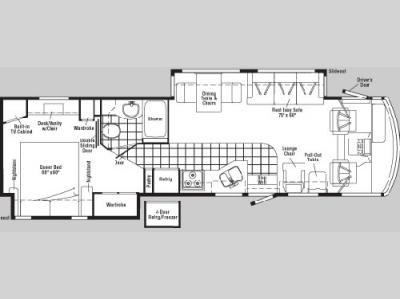
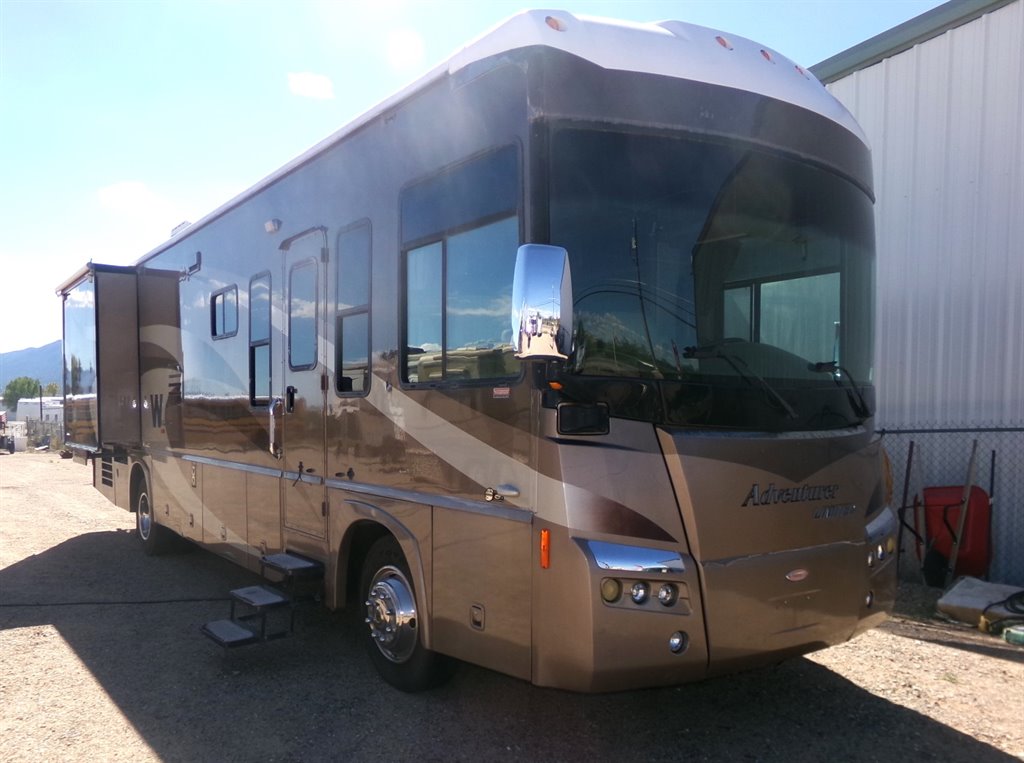
To bring these strategies to life, let's explore a few examples of successful motorhome purchases. Consider the story of John and Lisa, a couple who managed to find a 2008 Winnebago Adventurer for just under $30,000. They focused on older models and expanded their search radius, eventually finding a deal in a neighboring state. By attending local RV shows, they connected with a private seller who was eager to sell before winter, allowing them to negotiate a price within their budget.
Another successful buyer, Mike, utilized online platforms extensively. He joined several RV forums and Facebook groups, where he found a 2007 Fleetwood Bounder listed by an owner who was upgrading to a newer model. Mike's patience and willingness to travel for the right deal paid off, as he secured the motorhome at a price significantly lower than market value.
FAQs About Buying Used Class A Motorhomes
When considering a used Class A motorhome, potential buyers often have several questions. Here are answers to some common inquiries:
- What should I prioritize when inspecting a used motorhome? Focus on the condition of the engine, transmission, roof, and sidewalls. Ensure all appliances and utilities are functional.
- How can I determine if a motorhome is priced fairly? Use resources like the NADA RV Guide and compare similar listings online to gauge market value.
- Is it better to buy from a dealer or a private seller? Both have pros and cons. Dealers may offer warranties and financing options, while private sellers might provide lower prices and more room for negotiation.
By addressing these questions and utilizing the strategies outlined in this guide, you can confidently pursue your goal of owning a used Class A motorhome. With careful planning and strategic decision-making, your dream of affordable RV ownership is well within reach.
 Used
Used
 Used
Used
 Used
Used
 Used
Used
 Used
Used