Maximize Savings on Used RVs - Top Tips and Best Places
Purchasing a used RV offers an excellent opportunity to explore the open road without emptying your bank account. By taking a strategic approach to shopping and equipping yourself with insider knowledge, you can secure a high-quality RV at a fraction of its new price. This article delves into the top places to find used RV deals and shares valuable insights on evaluating listings and negotiating, ensuring you leave the lot with both confidence and cash savings.
Whether you’re new to RV life or a seasoned traveler, knowing where to look and how to purchase wisely makes all the difference. Here’s how to find the best-used RV for your needs.
Top Locations for Finding Used RV Deals
Starting your search close to home allows you to inspect potential purchases in person and negotiate directly with sellers. Begin by visiting local RV dealerships, where you can inquire about trade-ins, consignment units, and clearance sales at season’s end. Make sure to request detailed service records, and inquire if any pre-owned inventory comes with a limited warranty. Older model-year units are often ready to be discounted, providing an ideal chance to save even more.
In addition, don’t overlook regional RV shows and trade events. These gatherings present numerous opportunities to snag last year’s models or demo units at slashed prices. Before attending, consult a comprehensive calendar like RVUSA’s RV Shows to time your visits optimally. You can also find incredible offers by owners on platforms such as Facebook Marketplace, Craigslist, and OfferUp. Utilize specific search parameters like “used RV near me” or “camper for sale by owner” to refine your results.
Beyond these common avenues, investigate local storage facilities, campgrounds, and community boards. Owners frequently list their RVs for sale in these areas before opting to go online. Nearby RV service shops are also valuable resources for finding sellers keen to offload their well-maintained vehicles.
Essential Online Platforms for Used RV Shopping
- RVTrader – As a leading marketplace for RVs, RVTrader allows you to save searches and alerts, compare similar listings, and observe price changes over time.
- Camping World (Pre-Owned) – This platform provides access to nationwide used inventory with inspection services, service plans, and financing options available.
- RVT.com – Offers extensive listings from both dealers and private sellers, with filters for type, length, weight, and price to tailor your search precisely.
- Facebook Marketplace – Perfect for locating nearby deals and facilitating quick communication. Always check seller profiles and reviews for added confidence.
- Craigslist – Useful for finding local, by-owner deals; try searching multiple nearby cities for a broader range of choices.
- OfferUp – A handy mobile marketplace excellent for local finds. When meeting sellers, ensure public spaces and verify all paperwork before payment.
Proven Strategies to Save on Used RVs
Timing is Everything
- Purchase off-season: Fall and winter months typically offer the best prices, as private sellers avoid high storage fees and dealers aim to clear stock.
- Take advantage of month-end or quarter-end buying: Dealers are often more willing to negotiate to achieve sales targets.
- Seek older model years: RVs that are well-maintained and 2–5 years old can be significantly cheaper (30–50% less) than new ones while offering comparable features. RVs depreciate quickly, often losing 20–30% in value within the first year and up to 40–50% by five years, depending on brand and condition.
Understand Market Trends and Preferences
Do your homework on RV market trends before you head to any dealerships. Use resources like the J.D. Power (NADA) RV price guide to assess values and study recent transactions in various marketplaces. Compare different floorplans to see which suits your travel needs best, whether it be a family-friendly bunkhouse, a compact couple's retreat, or a robust toy hauler for adventure gear.
When evaluating your options, create a list of essential features you need from your RV, such as slide-outs, solar power prep, cargo capacity, and whether the RV matches your storage and campsite restrictions. This ensures you remain within budget and don't pay for unnecessary features.
Inspect Thoroughly
- Watch for water damage: Inspect ceilings, corners, and seals around windows for softness, staining, or damp odors indicative of leaks.
- Examine the roof and joints: Check for wear and tear on membranes and sealants, and inquire about recent roof maintenance.
- Confirm tire condition and age: A look at the DOT date codes will ensure the tires have not aged beyond their safe use, typically around 5-7 years.
- Verify all systems: Ensuring everything works under battery and shore power, from electrical systems, appliances, and HVAC to water pumps and structural components like slides and awnings.
- Consult for motorized RVs: Familiarize yourself with service histories and take compelling test drives to assess engines and transmissions thoroughly. Use the NHTSA Recall Lookup to check for any outstanding recalls.
- Hire a certified inspector: An independent inspection can bring peace of mind. Consider scheduling a third-party evaluation through the NRVIA inspector directory for comprehensive reviews.
Secure Verified Ownership and Maintenance
- For Motorhomes: Run a report through CARFAX or AutoCheck for any title discrepancies, accidents, or false odometer reading issues.
- For Towables: Verify details like VIN, title, and lien status with state DMV resources. USA.gov offers detailed guides at USA.gov motor vehicle services.
Negotiate a Solid Deal
- Gain pre-approval: Approach buying as a 'cash' purchase by securing pre-approved financing, ideally through a credit union. Check options at MyCreditUnion.gov.
- Leverage inspection results: Any identified repair needs such as new tires or appliances can be bargaining points for price adjustments. Obtain written quotes wherever possible.
- Include additional features: Negotiate deals that incorporate added items like generators, weight distribution hitches, or service plans without extra cost.
- Focus on the out-the-door price: Rather than haggling over monthly rates, ensure all financial terms including taxes and additional fees are transparently detailed and written down.
Assess Full Cost Implications
- Ownership costs: Factor in insurance and registration, which vary by RV class and location.
- Maintenance and storage: Annual costs include routine service like roof upkeep and potential off-season storage solutions.
- Upgrade potential: Consider costs of desired enhancements, such as solar installations, battery upgrades, or suspension improvements.
- Fuel and camping expenditures: Anticipate ongoing costs tied to fuel efficiency, campground usage, and necessary roadside assistance coverage.
Final Thoughts Before Purchasing
- Confirm that the RV's title is clear and that its VIN matches official documentation.
- Review all maintenance logs and investigate whether any warranties or service contracts remain valid.
- Make sure you test all appliances and systems on both battery and shore power modes.
- Thoroughly check for any signs of water damage, structural issues like delamination, or frame defects.
- Evaluate tire wear and, in cases of motorized RVs, inspect the brakes and suspension.
- Ensure compatibility between the RV’s hitch and your towing vehicle (where necessary), using a reliable resource like TowingPlanner.
- Validate fair pricing by comparing through reliable platforms like J.D. Power and similar market comparisons.
- Get assurance on every fee involved by negotiating to the total price rather than just the payments.
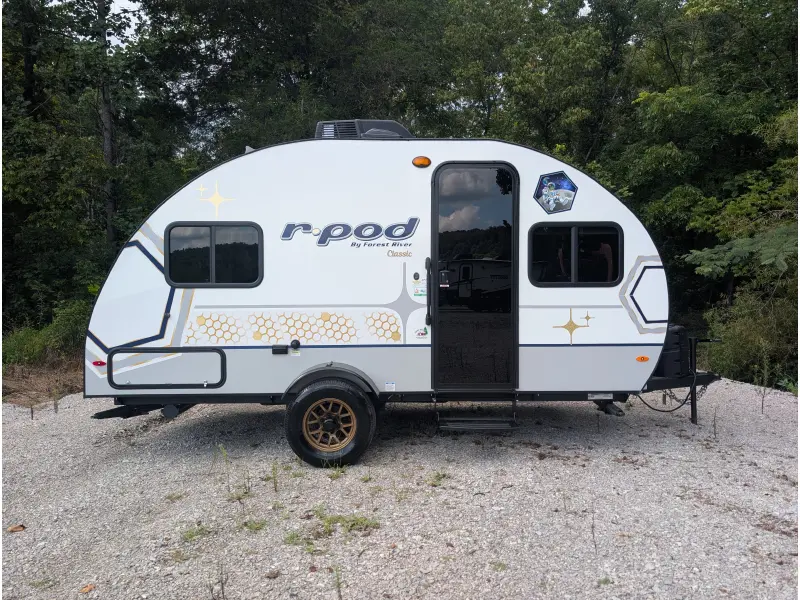 Used
Used
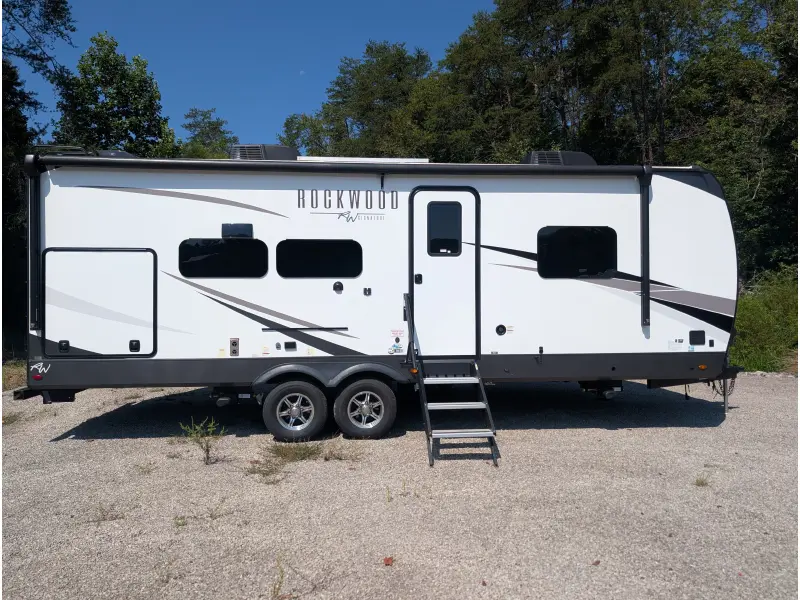 Used
Used
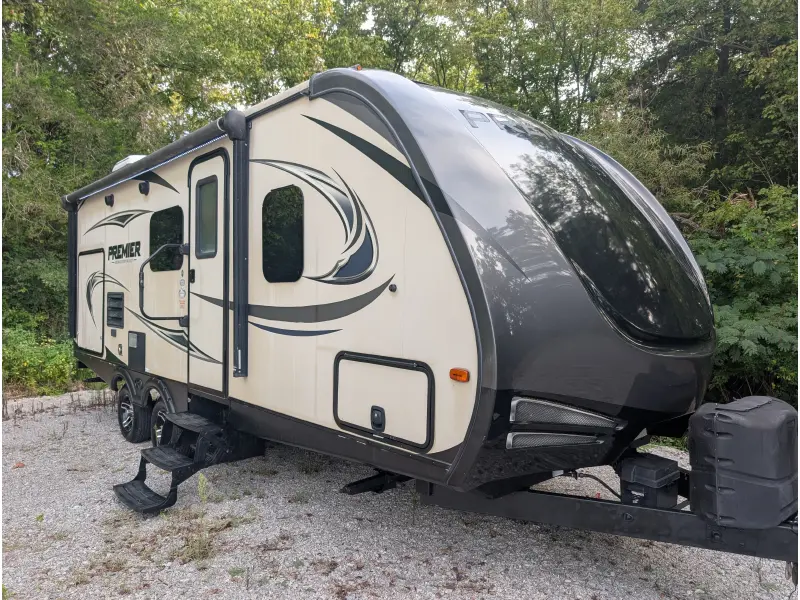 Used
Used
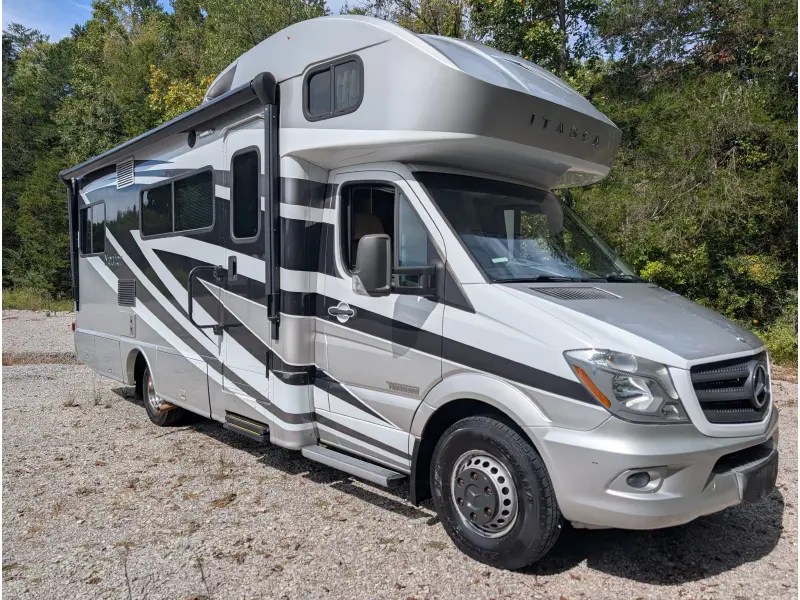 Used
Used
 Used
Used
 Used
Used
Takeaway
Purchasing a used RV lets you maximize budget value while enjoying your chosen level of luxury and functionality. By coupling local discoveries with robust online market research, timing your purchase strategically, and ensuring thorough pre-purchase inspections, you can secure an impressive, cost-effective RV. Enter your buying journey with a well-defined plan, and you’ll soon hit the road with satisfaction, savings, and adventure ahead.
What To Verify Before You Act
For this topic, the most useful next step is to confirm the requirements, paperwork, and real-world costs before making a decision. Readers should check whether the item, service, or recommendation described in the article fits their situation, whether any approval steps are required, and whether there are limits that could affect timing or reimbursement. This keeps the article practical instead of leaving the reader with only general advice.
Documentation matters because many problems happen after someone assumes they qualify, assumes a seller is approved, or assumes a benefit applies automatically. A careful reader should keep copies of quotes, prescriptions, invoices, model details, approval notices, and any written policy language that supports the purchase or decision. Those records make it easier to compare options and resolve questions later.
Quick Review Checklist
- Confirm eligibility, coverage, or approval rules with the appropriate provider before buying.
- Compare at least two options so pricing, features, and service quality have context.
- Ask what is included, what is excluded, and what costs may be paid out of pocket.
- Keep written records of recommendations, model numbers, receipts, and warranty details.
- Review the return policy and support process before making a final commitment.