Why the Hyundai Kona Is a Smart, Senior-Friendly Buy
If you’re a senior driver looking for comfort, safety, and real value, the Hyundai Kona deserves a top spot on your shortlist.
In this guide, you’ll learn why the Kona is so senior-friendly, which model years and trims to target under $15,000, and the smartest places to shop.Why the Hyundai Kona Works So Well for Seniors
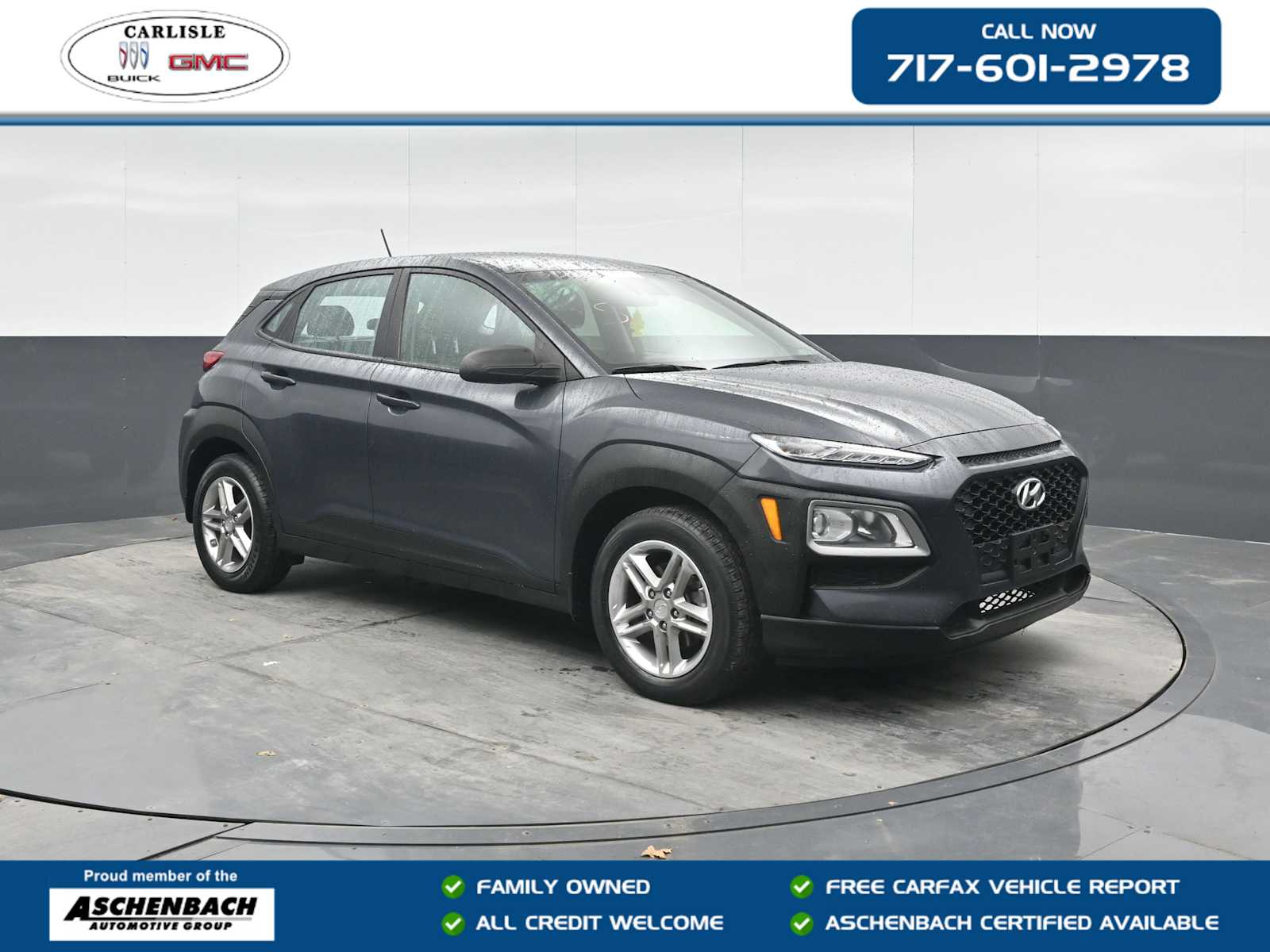
The Hyundai Kona blends a slightly elevated seating position with a compact footprint, making it easy to get in and out while still being simple to maneuver and park. Visibility is solid, the doors open wide, and the step-in height is friendly for knees and hips—no climbing up like a big SUV and no “falling down into” a low sedan.
Hyundai also stocked the Kona with sensible tech. Many examples include Hyundai SmartSense features—such as forward collision warning with automatic emergency braking, lane keeping assist, and blind-spot monitoring—that help reduce fatigue and add confidence in traffic. Availability increases on newer years and higher trims, so verify each used car’s specific features.
Operating costs stay reasonable, too. The 2.0L four-cylinder models commonly return around 30 mpg combined in front-wheel drive, and parts and maintenance are generally affordable. Hyundai’s historically strong warranty and available certified pre-owned (CPO) coverage can further reduce ownership stress.
Senior-Friendly Features to Look For
Easy entry/exit and supportive seating
Prioritize a Kona with a height-adjustable driver’s seat (power on some SEL with packages, Limited, and Ultimate trims). Look for heated front seats for joint comfort in colder months and, if available, power lumbar support. Bring your everyday coat or bag to the test drive to simulate real-life ingress/egress.
Clear, simple controls
Most 2018–2021 Konas have straightforward knobs and buttons for climate and audio, which many seniors find easier than full-touch setups. Apple CarPlay and Android Auto are widely available for larger icons and voice commands; screen sizes vary by trim, so try them in person. You can preview current Kona features at Hyundai’s official page and compare to earlier years on shopping sites below.
Confidence-inspiring safety tech
Seek a car with automatic emergency braking, lane keeping assist, blind-spot monitoring, and rear cross-traffic alert. These features don’t replace attentive driving, but they can provide timely warnings. The Kona has earned strong crash-test results over multiple years; check specific-year ratings at the IIHS and look up recalls by VIN at the NHTSA recall portal.
A smooth ride and easy parking
The Kona’s wheelbase and tuning give it a settled feel for a small crossover. For the softest ride, choose trims with 16- or 17-inch wheels instead of low-profile 18s. The Kona’s compact size makes parallel parking and tight garages far less stressful.
How Seniors Can Save Big by Buying Used
Depreciation works in your favor with the Kona. As of 2026, many 2018–2019 Kona SE and SEL models with average mileage list between roughly $11,000 and $15,000 depending on condition and location. Cross-check typical prices on Kelley Blue Book and browse real-world listings on Edmunds.
- Best values under $15,000: 2018–2019 Kona SE or SEL with the 2.0L engine (FWD typically costs less than AWD). Expect higher-mileage 2020 SE models to occasionally slip under $15k in some markets.
- Trims worth targeting: The SEL trim often adds blind-spot monitoring and heated seats when optioned. Limited and Ultimate bring leather, more power features, and advanced tech but may sit above $15k unless older or higher mileage.
- Engines: The 2.0L (paired with a conventional automatic) is simple and economical. The 1.6L turbo (with a dual-clutch transmission) feels quicker but can be costlier to maintain out of warranty; check service records.
- Electric option: The Kona Electric delivers smooth, quiet driving and very low running costs, but used prices often exceed $15k. In regions with abundant inventory or incentives, early, higher-mileage examples may approach your budget—compare total cost of ownership including charging access.
If you value extra assurance, consider a Hyundai Certified Pre‑Owned Kona from a franchised dealer. Hyundai’s CPO program includes a thorough inspection, roadside assistance, and extended powertrain coverage from the original in‑service date; verify exact terms on Hyundai’s CPO site and in the contract you sign.
Before you buy used, run a vehicle history report, confirm all open recalls are addressed via the NHTSA tool, and get a pre‑purchase inspection from a trusted mechanic. A brief inspection can save you from surprises with tires, brakes, or past accident damage.
Where to Shop (and How to Compare Quickly)
- Franchised Hyundai dealers: Best for CPO inventory and recall completion on the spot.
- Large online marketplaces: Browse broadly on Autotrader, Cars.com, and CarGurus to compare prices and mileage across your region.
- Fixed‑price retailers: Check inventory at CarMax and online‑first sellers like Carvana for transparent pricing and home delivery options.
Shopping tips: Set price alerts, expand your search radius 100–200 miles for better selection, and contact sellers with a short list of questions (accident history, tire/brake condition, extra keys, and any remaining warranty). Get a firm out‑the‑door price that includes taxes and fees, and secure pre‑approved financing so you can focus on vehicle condition and value.
Test‑Drive Checklist for Comfort and Confidence
- Entry/exit: Open doors fully; practice getting in and out from both front seats. Adjust seat height and backrest to find a neutral, pain‑free posture.
- Visibility: Check mirror coverage and blind‑spot areas. Ensure the backup camera is clear and bright; try it at dusk if possible.
- Controls: Turn the climate knobs, radio volume, and touchscreen. Confirm fonts are readable and that voice commands work with your phone.
- Ride comfort: Drive over rough pavement and at highway speed. Listen for wind/road noise; note if 18-inch wheels feel too firm.
- Driver aids: Safely test lane keeping assist and adaptive alerts on a lightly traveled road. Make sure settings and sensitivity are easy to adjust.
- Cargo fit: Load a walker, golf clubs, or a week’s groceries. The split‑fold rear seats should make it simple to expand space when needed.
Ownership Costs and Peace‑of‑Mind Tips
Ask about any transferable warranty coverage and maintenance records. Budget for routine items (oil, filters, brake pads, coolant) and consider a slightly higher‑profile tire for ride comfort when you replace them. For added savings, see if your insurer offers mature‑driver discounts or a defensive driving course discount via AARP Driver Safety.
Customize tech to your liking on day one: set the door lock behavior, adjust driver‑assistance sensitivity, pair your phone, and save radio presets. Little tweaks go a long way toward making the Kona feel truly effortless.
Bottom Line
The Hyundai Kona hits a sweet spot for seniors: easy access, comfortable driving manners, helpful safety tech, and excellent used‑car value. Target a well‑maintained 2018–2019 SE or SEL for under $15,000, verify the exact safety features you want, and shop widely online to land the best example. With a careful test drive and a pre‑purchase inspection, the right Kona can deliver years of simple, satisfying ownership.
 Used
Used
 Used
Used
 Used
Used
 Used
Used
 Used
Used
 Used
Used