A Guide to Senior-Friendly RV Options
RV travel remains one of the most popular ways for older adults to explore the country on their own schedule — and the assumption that a comfortable, accessible RV requires a significant financial commitment isn't accurate once buyers understand which types and models to target in the used market.
The used RV market under $15,000 contains genuinely practical options for senior buyers across several RV categories, from compact travel trailers to Class B campervans and Class C motorhomes. Finding the right option requires knowing what features matter most for older adult comfort and accessibility, which specific models deliver those features at this price point, and which platforms carry the most relevant inventory.What Makes an RV Senior-Friendly
The features that distinguish a genuinely senior-friendly RV from a standard used unit aren't always the ones that dominate listing descriptions. Accessibility, ease of operation, and day-to-day livability consistently matter more for older adult buyers than square footage, slide-out count, or entertainment systems.
Step-in height and entry configuration are the most immediately important factors. RVs with a single low step or a fold-down entry step rather than a steep staircase or ladder are meaningfully easier to enter and exit for seniors managing knee, hip, or balance concerns. Class B campervans offer the most accessible entry of any RV type — a standard van door swing and near-floor-level entry with no stair climbing required. Smaller Class C motorhomes and lightweight travel trailers with a single entry step are the next most accessible options in the under-$15,000 used market.
Interior layout directly affects daily usability. A rear bedroom or fixed bed configuration — where the sleeping area is a dedicated space with a bed at comfortable stand-and-sit height rather than a dinette conversion — reduces the physical effort of the nightly setup and morning breakdown process. RVs that require converting the dinette or sofa into a sleeping surface each day add a physical task that accumulates over a long trip and becomes genuinely burdensome for seniors with limited flexibility or joint discomfort.
Bathroom accessibility matters for extended trips. A bathroom with a separate shower stall rather than a wet bath — where everything shares one space — allows more comfortable movement and is worth prioritizing when the specific unit and budget allow. Grab bars near the toilet and shower entry, whether factory-installed or added aftermarket, are a practical addition worth confirming or budgeting for on any RV purchased for senior use.
Driving and handling characteristics separate RV types more than any other factor. A Class B campervan drives like a full-size van — familiar, manageable in traffic and parking, and far less intimidating than a large Class C or Class A motorhome. For senior buyers who haven't driven a large vehicle before or who want the simplest possible driving experience, Class B is the most accessible format. Smaller Class C motorhomes on Ford Transit or Ram ProMaster chassis offer more living space than a Class B with a moderately more complex driving profile — still manageable for most senior drivers who take time to practice before a full trip.
RV Types Worth Targeting Under $15,000
Class B Campervans — The Most Senior-Accessible Format
Class B campervans built on full-size van platforms are the most senior-friendly RV format available — and older, higher-mileage examples from manufacturers including Roadtrek, Pleasure-Way, Winnebago Travato, and Coachmen Nova are findable in the $10,000 to $15,000 range for models from the 2005 to 2015 era with higher mileage.
The appeal for senior buyers is the complete package in a vehicle-sized format — a sleeping area, small kitchen, bathroom, and storage all in a unit that parks in a standard space, drives like a large van, and requires no towing or special licensing in most states. Entry through a standard sliding side door or rear doors eliminates the stair climbing associated with larger RVs entirely.
The trade-off is living space. Class B interiors are compact — functional for one person or a couple who prioritizes mobility and simplicity over interior room, but tight for buyers who want significant living space or plan extended stays. For seniors who travel frequently and prefer the freedom of pulling into any campsite or parking area without concern for length restrictions, the compact profile is a practical advantage rather than a limitation.
Roadtrek models from the 2005 to 2012 range on Chevrolet Express platforms are among the most commonly found Class B options in the under-$15,000 range and have accumulated a long track record in the used market. Verifying engine and transmission condition, confirming the house battery bank holds a charge, and checking the water system for leaks or pump issues covers the most common maintenance areas on these platforms.
Lightweight Travel Trailers — The Most Versatile Budget Option
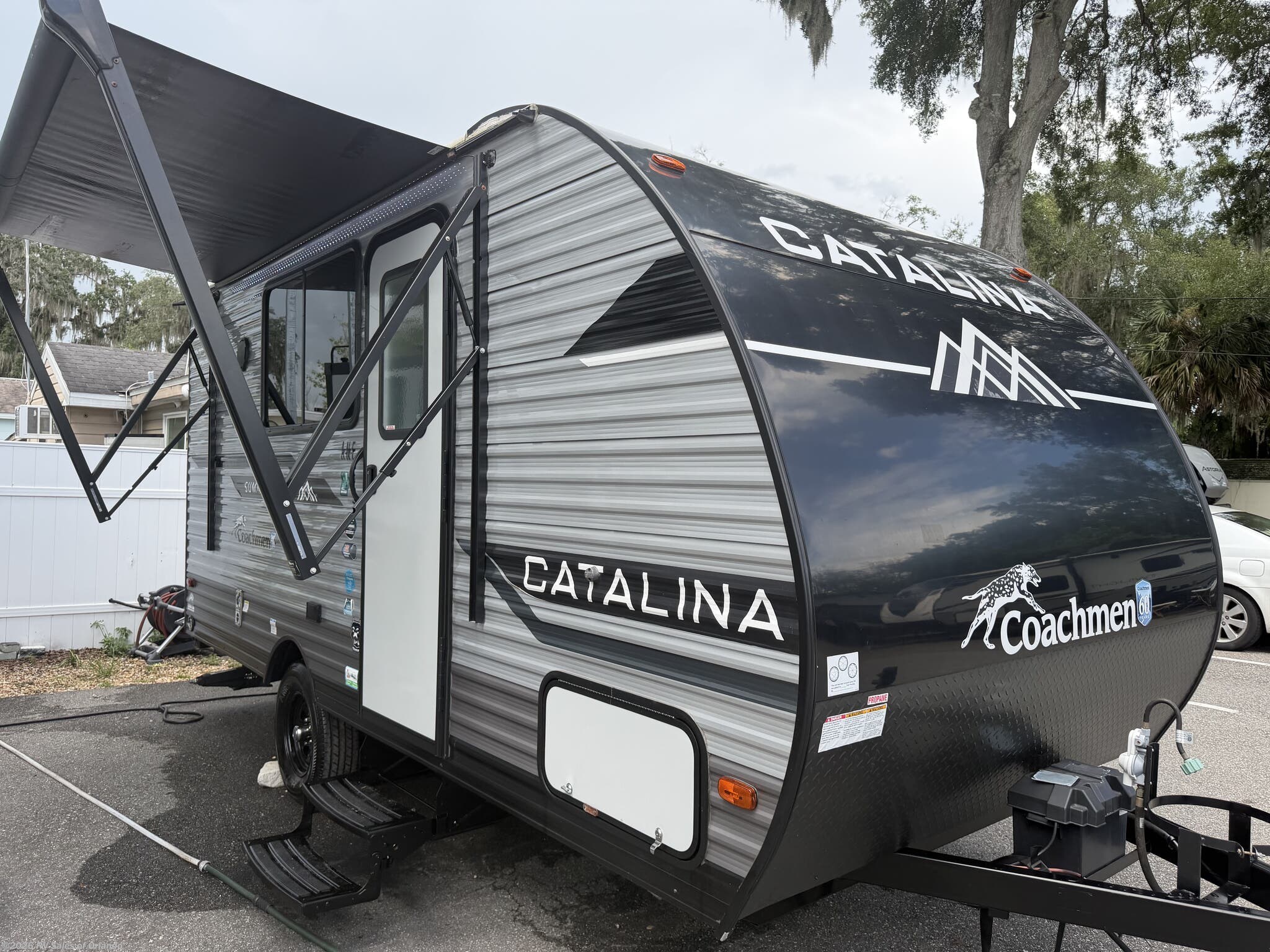
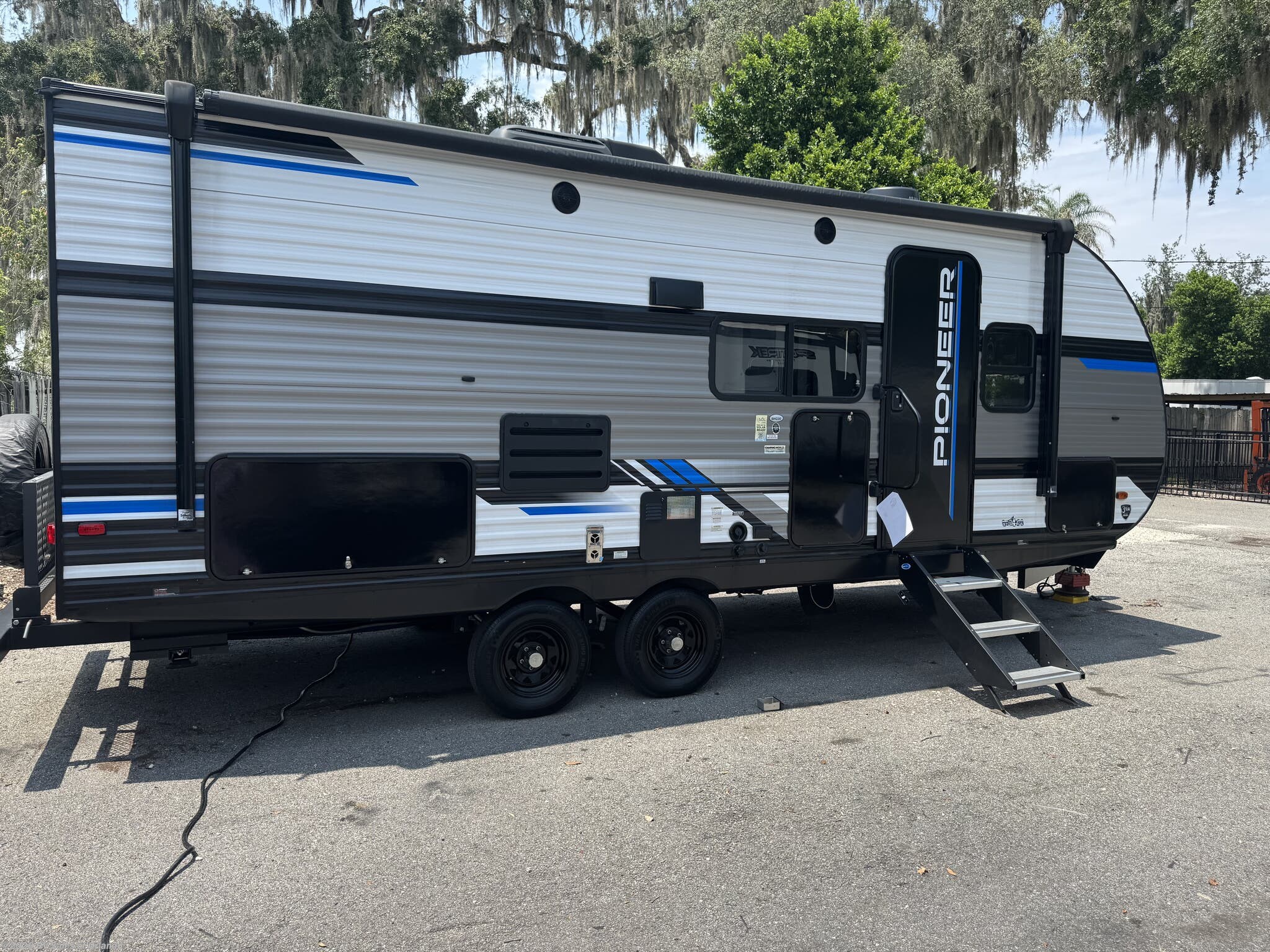
Lightweight travel trailers in the 20 to 26-foot range from the 2012 to 2018 model years represent the most abundant inventory in the used market under $15,000 and offer the broadest range of floor plan options for senior buyers. Unlike motorized RVs, travel trailers require a separate tow vehicle — which adds a prerequisite but also means the living unit and the driving unit are separate, reducing the complexity of driving and allowing the tow vehicle to be used independently while the trailer is set up at a campsite.
For senior buyers who already own a capable tow vehicle — a half-ton truck, a full-size SUV with a tow package, or a midsize truck with sufficient tow rating — a lightweight travel trailer in this price range offers the most living space per dollar of any RV category under $15,000. Floor plans with a rear bedroom featuring a fixed queen or full bed, a separate bathroom, and a functional kitchen and dining area are widely available in models from Keystone Hideout, Forest River Cherokee, Coachmen Apex, Jayco Jay Flight, and Lance across this year range and price point.
The rear bedroom floor plan specifically is worth prioritizing for senior buyers — it places the sleeping area in a separate, quieter section of the trailer with a bed at comfortable height on both sides, eliminates the nightly dinette conversion, and typically includes a bathroom immediately adjacent to the bedroom for convenient nighttime access.
Class C Motorhomes — More Space, More Complexity
Class C motorhomes — the over-cab style with a sleeping area above the cab section — offer more living space than Class B campervans while remaining more manageable to drive than a full-size Class A. In the under-$15,000 range, buyers are typically finding 2000 to 2012 models with higher mileage from manufacturers including Coachmen Freelander, Forest River Sunseeker, Winnebago Minnie Winnie, and Fleetwood Tioga.
For senior buyers, the Class C's main senior-friendly advantage over a travel trailer is the self-contained, drive-and-park simplicity — no tow vehicle required, no hitching and unhitching process, and the ability to access the living area from the cab while parked. The main considerations at this price point and age range are mileage and mechanical condition — a Class C motorhome with 80,000 to 120,000 miles on a Ford E-450 or Chevy P30 chassis requires a thorough inspection of the engine, transmission, and chassis components alongside the living unit systems before purchase.
The over-cab sleeping loft that defines most Class C floor plans is not particularly senior-friendly — climbing a short ladder to the over-cab area requires more agility than most older adults prefer for nightly sleeping. Floor plans with a rear bedroom or a rear sofa that converts to a permanent sleeping area are worth seeking specifically when evaluating Class C options for senior use.
How To Save on a Used Senior-Friendly RV Under $15,000
Timing the purchase around the shoulder seasons — late fall through early spring — consistently produces better pricing on used RVs than shopping during peak camping season. Sellers who list RVs in October through March are more motivated than those listing during summer when the market is active and buyers are competing. The same unit listed at $16,000 in July may be negotiable to $13,500 in February from a motivated seller who has been carrying it through the off-season.
Flexibility on model year and mileage expands the available inventory significantly. Buyers who fix on a specific year or low mileage threshold limit themselves to a smaller pool of options and reduce negotiating leverage. Approaching the search with a condition and feature checklist rather than a year or mileage requirement, and evaluating condition through a professional inspection rather than mileage as a proxy, consistently produces better outcomes at this price point.
Checking auction channels including GovPlanet, PublicSurplus, and estate auction platforms periodically surfaces RVs at prices below the private market — particularly for fleet-disposed or estate-sold units where the seller is motivated to close quickly rather than achieve maximum market value.
Where To Find Used Senior-Friendly RVs Under $15,000
RV Trader is the most comprehensive dedicated RV marketplace and allows filtering by price, RV type, length, and year. Setting a maximum price of $15,000 and filtering by Class B, travel trailer, and Class C surfaces the most relevant inventory efficiently. Price drop alerts on saved searches notify buyers when listings fall into budget without requiring daily manual checking.
Facebook Marketplace is one of the most active channels for private-party RV sales in the under-$15,000 range and consistently surfaces motivated sellers pricing below the RV Trader market. Searching by specific model names — Roadtrek 190, Jayco Jay Flight, Winnebago Minnie Winnie — surfaces more relevant results than broad category searches.
RVT and RVUSA are additional dedicated marketplaces worth cross-referencing against RV Trader. Craigslist remains active for private-party RV listings in most markets and occasionally surfaces below-market options from sellers who prefer local cash transactions.
Camping World and regional RV dealers carry used inventory in the under-$15,000 range alongside new units and offer the transaction simplicity of a dealer purchase — typically at a premium over private-party pricing but with more documentation and occasionally with limited warranty options on select units.
What To Inspect Before Committing
Roof and exterior wall condition is the most important inspection item on any used RV. Water infiltration through deteriorated roof seams, cracked caulking around vents and skylights, or failed window seals is the primary source of structural damage on aging RVs — and the repairs are expensive. Running a hand along all exterior wall surfaces and checking for soft spots, delamination, or bubbling in the fiberglass or aluminum skin identifies water damage before purchase. Inspecting the roof surface directly — not just from the ground — is worth doing on any unit being seriously considered.
All systems warrant testing during the inspection: water pump pressure, fresh and gray tank operation, propane appliances including the stove, oven, and furnace, air conditioning and heating performance, and electrical systems including shore power hookup, battery charging, and 12-volt DC systems throughout the unit. On motorized RVs, the chassis components — engine, transmission, brakes, tires, and suspension — require the same attention as any high-mileage vehicle purchase.
A pre-purchase inspection from a certified RV technician provides a comprehensive condition assessment and is worth the $150 to $250 cost on any unit representing a significant purchase. The RV Technician Certification program through the Recreation Vehicle Industry Association maintains a directory of certified technicians. Pricing benchmarks from the NADA RV values guide provide a reliable reference for evaluating whether a specific listing is fairly priced before entering any negotiation.
 New
New
 New
New