Jeep Cherokees Under $20,000: Practical Buyer’s Guide
For shoppers who want bold styling, practical space, and a touch of adventure without overspending, a used Jeep Cherokee under $20,000 can hit a sweet spot.
This guide explains when it makes sense to buy, how to compare trims and drivetrains, what features matter most, where prices usually land, and how to avoid costly surprises—so you can choose confidently without pressure.Is a Jeep Cherokee under $20,000 right for you?
Buy now if your current vehicle is unreliable, repair costs exceed its value, or you need more cargo room without jumping to a full-size SUV. Many shoppers also buy when they want a style upgrade from a basic crossover but still need daily comfort, modern tech, and a manageable payment. Waiting can make sense if you’re saving for a larger down payment, watching local inventory, or need time to research trims and ownership costs.
Signs you’re ready: you’ve set a firm budget (ideally with room for taxes, registration, insurance, and a maintenance cushion), you’ve narrowed trims and engines you’ll accept, and you have pre-approval or cash on hand. Framing this as a long-term value decision—total cost, not just price—helps avoid impulse buys.
Best suited for: drivers who like a sporty, upright look; want more capability or the image of capability than most compact crossovers; and need comfortable seating for commuting, errands, and weekend trips. Consider another compact SUV (CR-V, RAV4, CX-5, Forester, Tucson) if top reliability, cargo room, or fuel economy outrank styling and available 4x4 systems. A midsize SUV may suit larger families. A newer, simpler crossover might make sense if warranty coverage and the latest safety tech matter more than premium trim features.
Your options: years, trims, engines, and drivetrains
Older low-mileage vs. newer high-mileage
Under $20,000, you’ll most often see 2014–2019 Cherokee (KL generation) with a mix of mileage and features. An older, lower-mileage example can feel tighter and may have more life left in wear items, but age-related issues (seals, sensors, infotainment) can appear. A newer, higher-mileage Cherokee may deliver updated styling and tech yet need closer scrutiny on brakes, tires, and suspension.
Who it fits: choose older/low miles if you’ll keep the vehicle for years and prefer less wear; choose newer/high miles if updated looks, features, or later-year improvements matter and you’re comfortable budgeting for maintenance sooner.
FWD vs. 4x4 (AWD)
Front-wheel drive (FWD) usually costs less and returns better fuel economy. Jeep’s available 4x4 systems (often branded Active Drive I, Active Drive II, and the Trailhawk’s more advanced setup) add traction for snow, gravel, and light trails. They also increase weight and complexity, which can affect maintenance and efficiency.
Who it fits: FWD suits mild climates and mostly urban driving. 4x4 is valuable if you regularly face snow, muddy job sites, gravel roads, or want the confidence and image that come with a Jeep’s available off-road package.
Base, upscale, and rugged trims
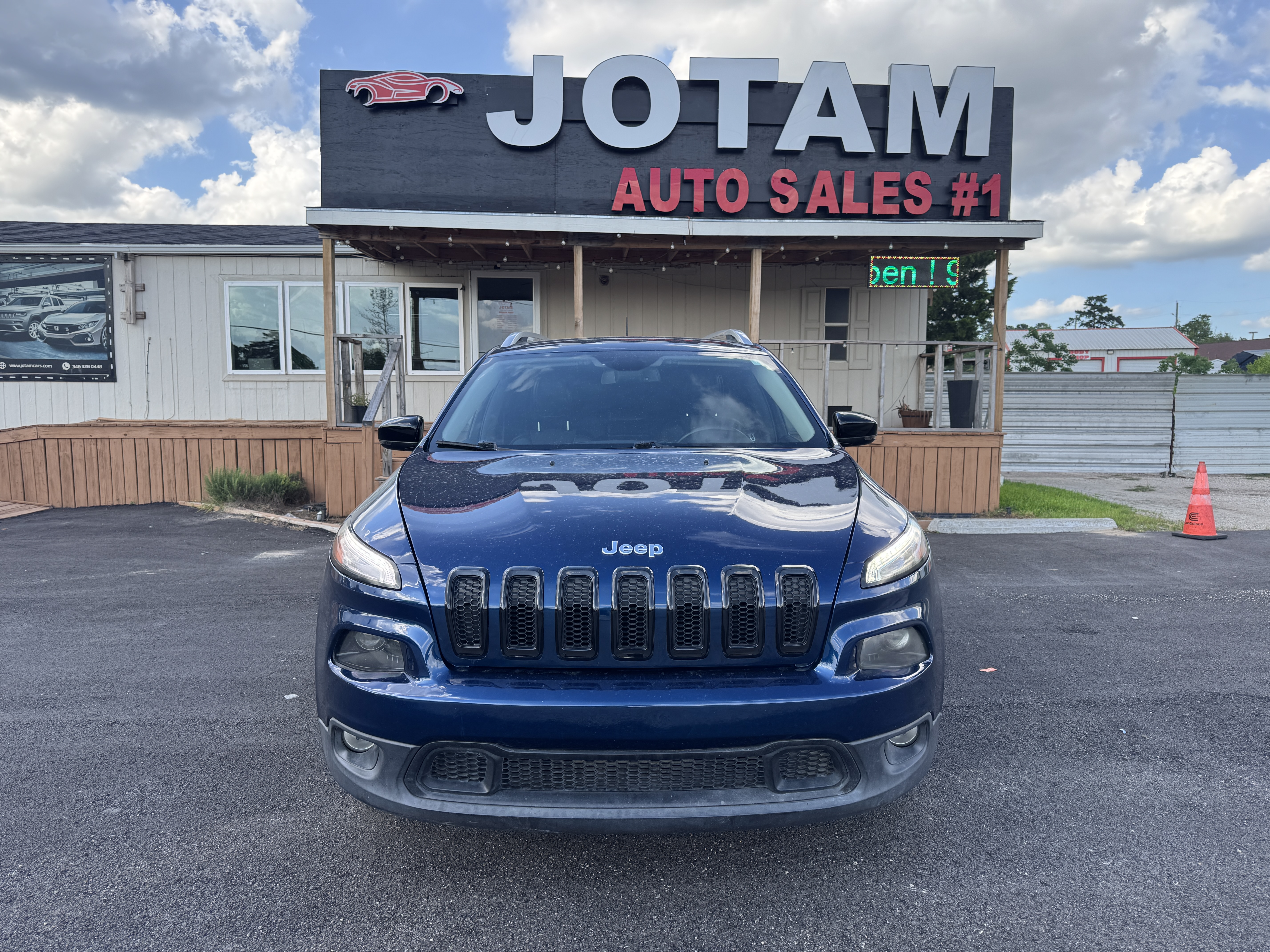
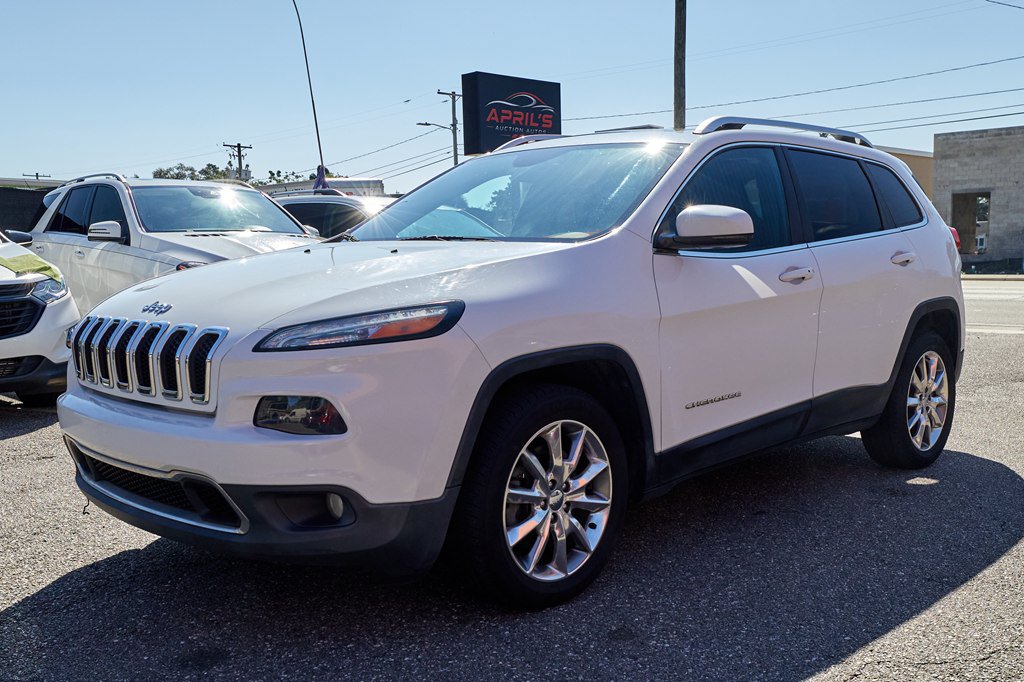
Common trims include Sport and Latitude (value-focused), Latitude Plus and Limited (more comfort and tech), and Trailhawk (rugged look, raised ride height, skid plates, all-terrain tuning). Styling shifts with wheel designs, blacked-out or chrome accents, roof rails, and interior materials. Ride comfort and noise also vary: Limited tends to ride quieter and more refined; Trailhawk can feel firmer with all-terrain tires.
Who it fits: Sport/Latitude for budget buyers who still want the Jeep look; Limited for buyers prioritizing comfort, leather, and a modern-feeling cabin; Trailhawk for image-driven or outdoorsy buyers who want legitimate light off-road ability and a bolder stance.
Engines and real-world feel
Most sub-$20k Cherokees will have the 2.4L four-cylinder or the 3.2L V6; some 2019+ examples may feature the 2.0L turbo. The 2.4L emphasizes economy but can feel modest when loaded. The V6 is smoother and stronger, helpful for hilly areas or full cabins. The 2.0L turbo balances torque and efficiency but may nudge price upward.
Notes on maintenance and drivability: Early 9‑speed automatic calibrations were updated over time; well-maintained later vehicles often shift more smoothly. As with any used powertrain, service history is more important than spec sheets.
Features and what to evaluate on a test drive
Trim and infotainment: Uconnect systems are generally intuitive; check screen size, smartphone integration (Apple CarPlay/Android Auto on later years), and camera clarity. Sit with the system for 10 minutes—pair your phone, test navigation (if equipped), and verify quick boot-up and responsive touch inputs.
Seat comfort and cargo: Ensure supportive front seats for your torso and legs; test multiple driving positions. Second-row space is fine for kids and average-height adults. Cargo is competitive for daily life but less cavernous than some rivals; fold the seats to confirm a flat-enough load floor for gear.
Ride, handling, visibility: The Cherokee has a planted feel with a slightly heavier steering weight than many crossovers. Check for wind/road noise on the highway. Confirm visibility (A-pillars and rear pillars) and camera quality for parking in tight city spaces.
Safety and driver aids: Look for blind-spot monitoring, rear cross-path detection, forward collision warning, adaptive cruise, and lane features on later models. Review crash-test ratings and run the VIN for open recalls before purchase.
Wheels, tires, and brakes: Larger wheels look sharp but can raise tire replacement costs and impact ride. Inspect even tire wear and brake feel; pulsation under braking may indicate warped rotors. Trailhawk tires are pricier and louder but add grip.
History and condition: Ask for maintenance records (oil changes, transmission software updates, coolant service). Review vehicle history for accidents, ownership count, title status, and odometer consistency. A pre-purchase inspection (PPI) by a trusted mechanic remains the best risk reducer.
Pricing, total cost, and what drives it
Assumption: The ranges below reflect typical U.S. retail asking prices for the used market and will vary by region, season, mileage, and condition.
- Budget (often $11,000–$15,000): 2014–2017 Sport/Latitude with average mileage; FWD more common.
- Mid-range ($15,000–$18,500): 2016–2019 Latitude/Latitude Plus or Limited with moderate miles; a mix of FWD and 4x4.
- Premium under-$20k ($18,500–$20,000): 2017–2019 Limited or Trailhawk with higher miles or strong equipment.
Why prices differ: model year updates, trim level, engine (V6 and 2.0T usually command more), 4x4 vs FWD, mileage and service history, accident records, cosmetic condition, dealer reconditioning, location, and demand spikes (e.g., before winter in snowy regions).
Total cost of ownership: budget for insurance, taxes/registration, routine maintenance, tires (especially 18–19 inch or all-terrain), brakes, occasional repairs, and fuel. 4x4 and V6/trail-oriented trims typically cost more to fuel and maintain. If financing, include APR and any lender fees; compare offers to reduce interest over the term.
Deals, timing, and negotiation
Seasonality: AWD/4x4 models often list higher before and during winter in colder areas; convertibles and sporty cars peak in spring—timing can matter. End-of-month and quarter can add negotiating leverage as dealers work toward targets, but inventory mix matters more than the calendar.
Online vs. local pricing: Online platforms can show broader supply and help you gauge fair market prices. Local dealers may price higher for convenience, reconditioning, and shorter wait times. Some stores bundle benefits (short warranties, return windows, or free maintenance). Focus on value for protections, not just the cheapest listing.
Negotiation tips: arrive with comparable listings, a recent PPI quote, and pre-approval. Ask for an out-the-door price. Review doc fees and add-ons; decline paint, nitrogen, VIN etching, or service plans you don’t want. If the deal feels rushed or unclear, pause—good vehicles are rarely unique.
Financing and payment options
Dealer vs. bank/credit union: Get rate quotes from your credit union or bank first; dealers can sometimes beat them, but comparison keeps costs honest. Pre-approval also clarifies budget and streamlines the visit.
Down payment and term: 10–20% down reduces payment and interest; keeping terms at 36–60 months typically balances affordability and total interest paid. Include sales tax, fees, and a $1,000–$1,500 emergency fund for early maintenance needs.
Trade-ins and add-ons: Know your trade’s value from independent guides. Extended warranties and service contracts can add peace of mind, but read coverage limits, deductibles, and exclusions; compare third-party options and consider saving the premium in a repair fund if coverage seems thin.
Cash vs. financing: Paying upfront avoids interest and can simplify negotiations, but zero- or low-down financing preserves cash for emergencies. Choose the path that keeps your budget comfortable.
Reduce risk: inspections, history, and protections
Vehicle history and title: Request a report (Carfax/AutoCheck) and verify VIN in recall databases. Watch for salvage, rebuilt, or flood branding unless you fully understand the implications and price reflects risk.
Pre-purchase inspection (PPI): Have an independent mechanic check for leaks, worn suspension, brake and tire health, software updates, and electronic faults. A PPI often pays for itself by revealing issues you can fix, negotiate, or avoid.
Warranties and returns: Manufacturer CPO coverage may be limited in this price range but is worth comparing. Many used sales are “as is.” Cooling-off rules generally do not apply to dealership sales; any return window should be written into your contract. Know your state’s used-car protections.
Alternatives to compare
- Honda CR‑V: excellent space and efficiency; less rugged styling; strong reliability reputation.
- Toyota RAV4: balanced, efficient, widely available; pricing can run higher for condition.
- Mazda CX‑5: sportier on-road feel and upscale cabin; cargo smaller than some rivals.
- Subaru Forester: standard AWD, airy cabin, great visibility; styling is more conservative.
- Ford Escape: strong availability and pricing; driving feel varies by engine year-to-year.
- Hyundai Tucson: value and long warranty on newer years; performance is adequate, not sporty.
Buyer scenarios: matching needs to the right Cherokee
Stylish daily driver: Look for a 2017–2019 Latitude Plus or Limited with comfort features (heated seats, larger screen). FWD is fine in warm climates, keeps costs down, and still delivers the Jeep look.
Commuter + weekend trips: A V6 or 2.0T with 4x4 offers confident passing and bad-weather traction. Aim for newer infotainment with smartphone integration for long drives.
Jeep styling on a strict budget: Earlier Latitude or even Sport trims can work; prioritize condition and records over cosmetics. Consider adding take-off wheels/tires later rather than paying a premium today.
First-time used-SUV buyer: Choose the cleanest history and best-documented maintenance you can find, then get a PPI. Simpler trims can reduce long-term costs.
Household and road-trip use: Limited trim balances comfort and tech. Verify seat comfort and highway noise, and check cargo with your actual luggage or stroller.
Light outdoor lifestyle: Trailhawk brings ground clearance, underbody protection, tow hooks, and a stronger off-road image. Expect firmer ride and higher tire costs.
Mistakes and pitfalls to avoid
- Overpaying for a cosmetic package while ignoring service history and tire/brake condition.
- Skipping a PPI or recall check.
- Confusing AWD/4x4 capability with low running costs; Trailhawk looks great but may cost more to fuel and maintain.
- Chasing the newest model year with very high miles when a slightly older, better-kept example exists.
- Letting dealer add-ons inflate the price; always ask for an out-the-door number.
- Buying mainly for appearance without evaluating long-term budget (insurance, tires, fuel, payments).
Decision tools
Buyer checklist
- Confirm trim, engine, and FWD vs 4x4 match your needs and climate.
- Run VIN history; verify title status and consistent mileage.
- Check for open recalls; confirm key maintenance and any transmission software updates.
- Test infotainment, cameras, and all driver aids.
- Inspect tires/brakes; budget for replacements if near end of life.
- Get a PPI; use findings to negotiate or walk.
- Secure pre-approval; compare dealer financing; understand total out-the-door cost.
Ready-to-buy self-assessment
- I know my must-have trim/engine/drivetrain and can walk away if they’re missing.
- I have a clear max out-the-door price and a monthly budget I won’t exceed.
- I’ve reviewed history, inspected the car (or scheduled a PPI), and checked recalls.
- I understand my total cost of ownership and have an emergency maintenance fund.
Decision summary
If you want a compact SUV with bold styling and available 4x4 confidence, a well-kept Jeep Cherokee under $20,000 can be a smart, long-term value. Compare trims carefully, prize maintenance history over cosmetic upgrades, budget for realistic ownership costs, and use a pre-purchase inspection to reduce risk. When those boxes are checked, you can buy with confidence—and enjoy an SUV that looks the part while handling everyday life.
 Used
Used
 Used
Used
 Used
Used
 Used
Used
 Used
Used
 Used
Used
Sources
- EPA Fuel Economy: Official ratings and comparisons
- NHTSA Recalls: VIN lookup and safety info
- IIHS: Crash-test ratings and vehicle safety
- Edmunds: Jeep Cherokee pricing and reviews
- Kelley Blue Book: Pricing and cost-to-own
- Consumer Reports: Reliability and owner satisfaction
- Carfax: How to read vehicle history reports
- FTC: Cooling-Off Rule (exceptions for car sales)