Senior-Friendly Ford SUVs - Buyer's Guide
Shopping for a senior-friendly Ford SUV under $20,000 doesn’t have to be overwhelming.
With a clear checklist and the right model-year targets, you can get easy entry/exit, modern safety tech, and dependable comfort—all while staying on budget.What Makes a Ford SUV Senior-Friendly?
For many older drivers, the right SUV offers a comfortable seat height (not too low, not too tall), wide door openings, supportive seats with power adjustments, excellent visibility, and intuitive controls. Details like a heated steering wheel, large physical knobs for climate/audio, and a quiet cabin can make everyday driving noticeably easier.
Modern driver-assistance features are game-changers. Look for Ford’s available Co-Pilot360 suite—tech like blind-spot monitoring (BLIS), rear cross-traffic alert, lane-keeping assist, and automatic emergency braking—on model years that offer it (learn more). Smartphone integration (Apple CarPlay and Android Auto) simplifies calls and navigation without fiddling with a phone, which is both safer and less stressful.
Ride quality matters too: a composed suspension, low road noise, and predictable steering reduce fatigue. Finally, consider total ownership costs—fuel economy, insurance, tires, and maintenance—to keep the vehicle affordable long after purchase.
Best Ford SUVs Under $20,000 (Used) for Seniors
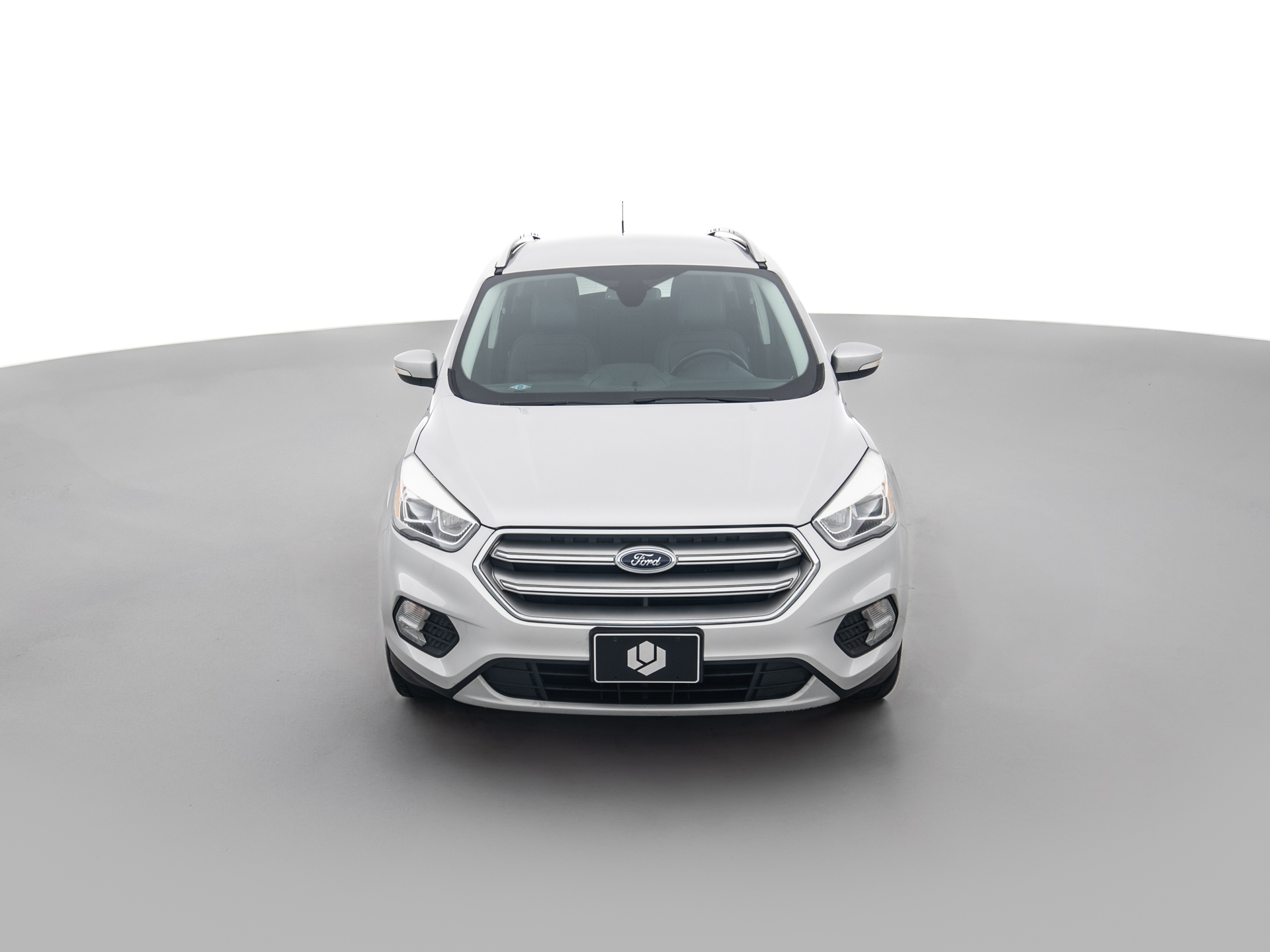
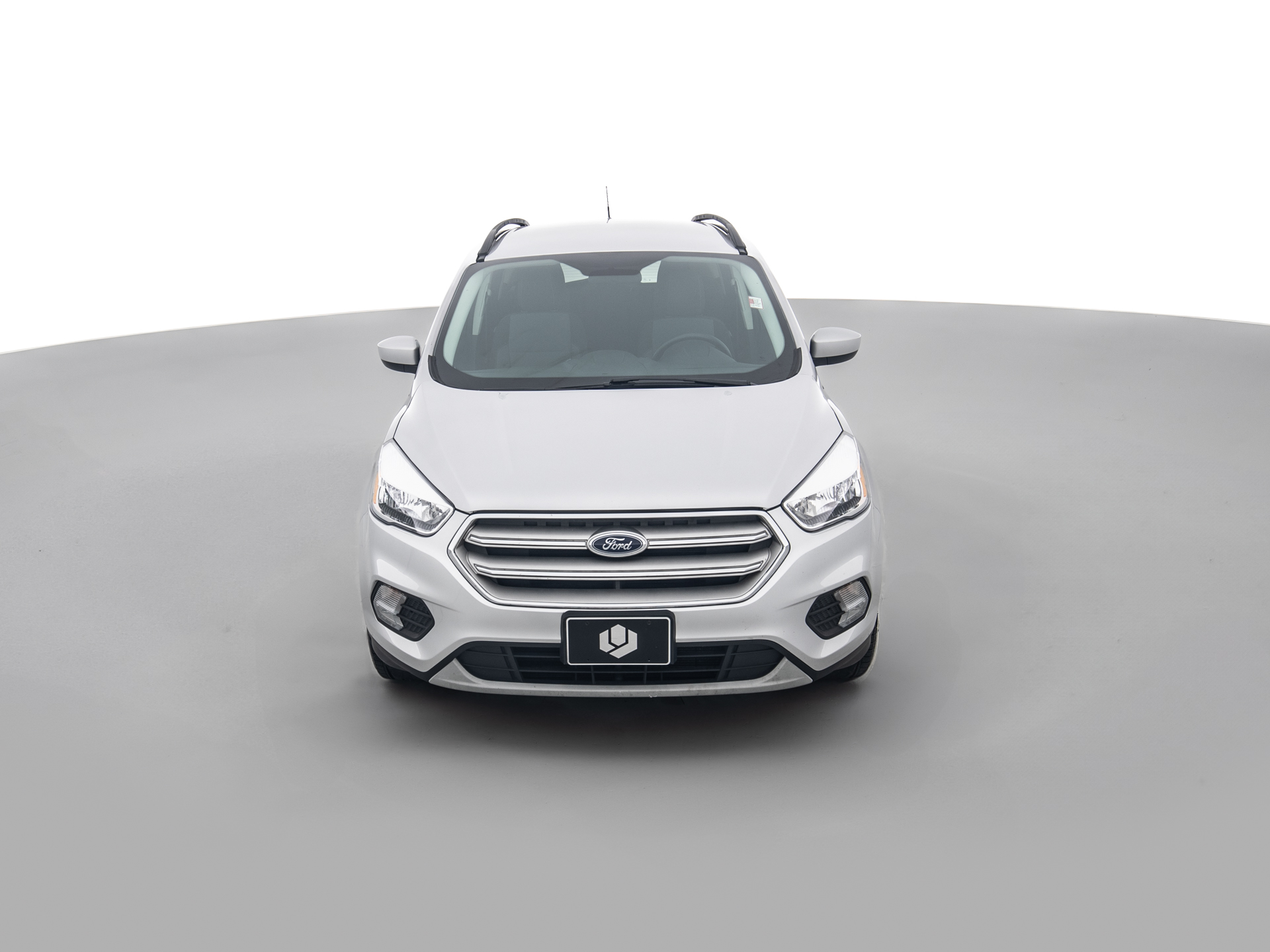
Ford Escape (2017–2020)
The compact Ford Escape strikes a sweet balance of easy maneuverability and interior space. Many 2017–2020 SE and SEL trims fall under $20K, offering power-adjustable seats, heated options, and SYNC 3 with Apple CarPlay/Android Auto on most 2017+ models. It’s simple to park, has excellent cargo flexibility, and with the 2.0L EcoBoost and tow package can handle up to about 3,500 lbs—handy for small trailers or mobility carriers.
Consider: 2019–2020 examples are more likely to include broader driver-assist features. As with any turbo engine, verify maintenance records and a thorough pre-purchase inspection. Fuel economy typically ranges in the mid-to-high 20s mpg combined, depending on engine and drivetrain.
Ford Edge (2015–2018)
If you want more room and a very comfortable ride, the midsize Ford Edge (SEL/Titanium trims) is often a standout under $20K. It has wide, supportive seats, excellent highway stability, and a quiet cabin that reduces fatigue on longer trips. Parking sensors, a rearview camera, and available BLIS enhance confidence in busy lots.
Many 2017–2018 models feature SYNC 3 with smartphone integration, and towing capacity can reach about 3,500 lbs with the proper package. The Edge’s cushy ride and straightforward controls make it a top pick for comfort-first shoppers.
Ford EcoSport (2018–2021)
The subcompact Ford EcoSport is perfect for urban or tight-parking environments. Its higher seating position aids visibility, and many low-mile 2018–2020 models are well under $20K. SYNC 3 with Apple CarPlay/Android Auto is common, and the short length makes curbside errands simple.
Note the swing-out cargo door (instead of a liftgate), which some prefer and others don’t—try it during your test drive to ensure it’s easy to manage in your parking situation.
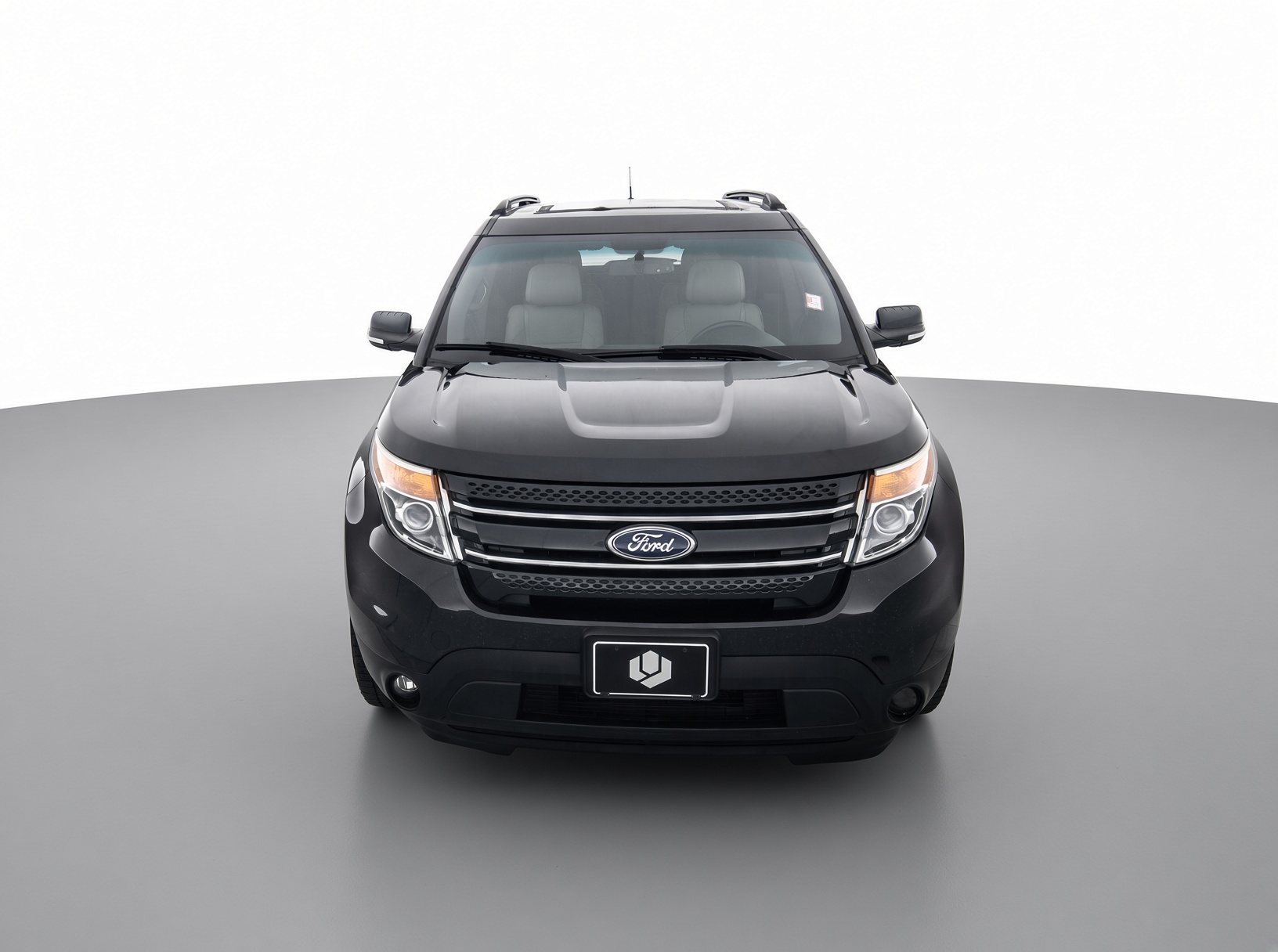
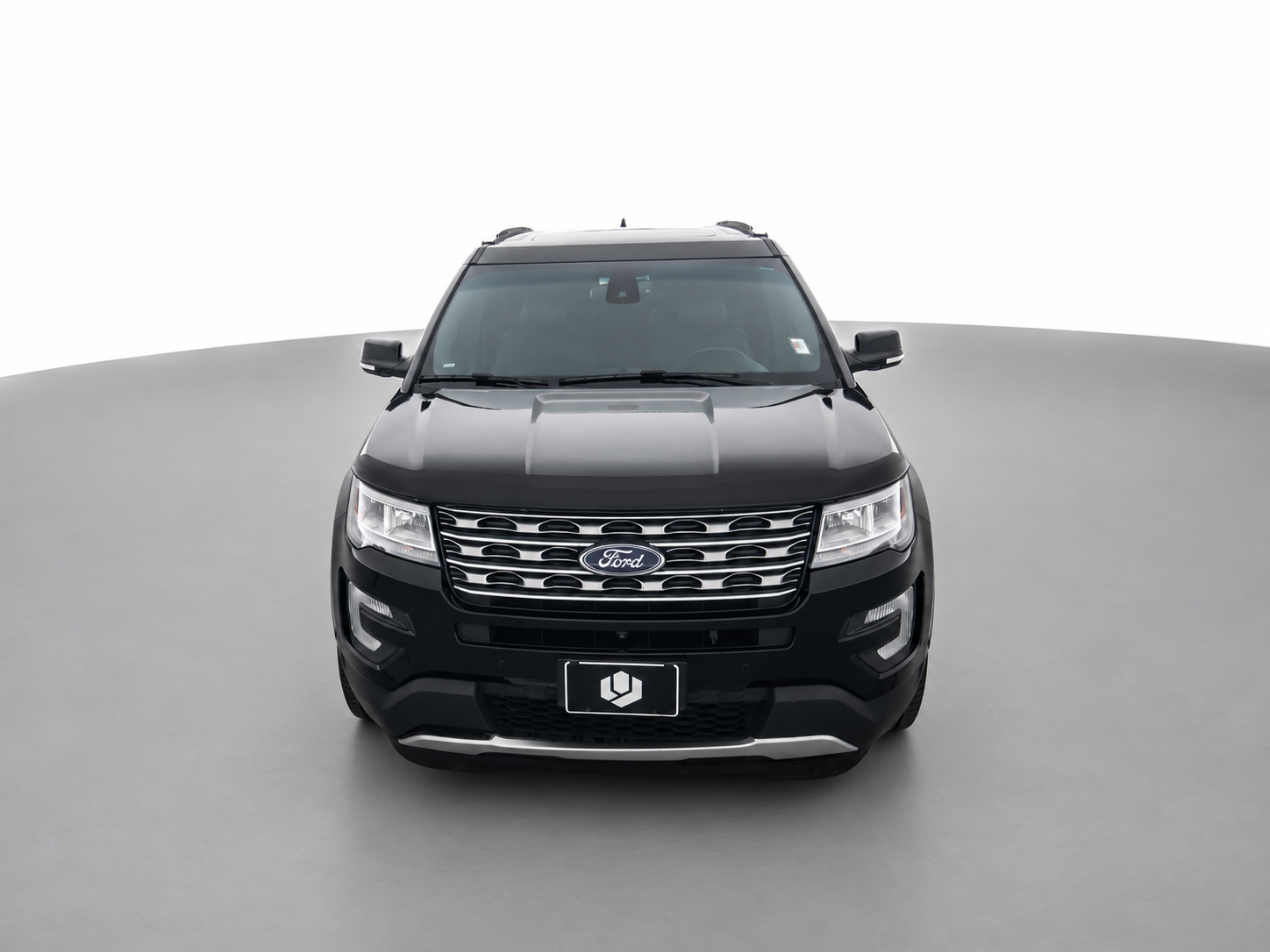
Ford Explorer (2014–2016)
Need a roomier SUV for family, friends, or grandkids? The Ford Explorer offers three-row flexibility, and 2014–2016 examples often fit under $20K. Prioritize trims with parking sensors, a rearview camera, and (ideally) BLIS to offset its larger size.
If you don’t need the third row, you may find the Edge or Escape easier to park and more fuel-efficient. But for road trips, the Explorer’s highway comfort and space are hard to beat.
Ford Flex (2014–2019)
Though discontinued, the boxy Ford Flex remains beloved for senior-friendly ergonomics. Its low step-in height, upright seating, huge windows, and low cargo floor make daily use delightfully easy. Many 2014–2018 examples land well under $20K. You’ll typically sacrifice some mpg versus an Escape, but the Flex’s ease of entry/exit and visibility are exceptional.
Where to Shop and How to Save
Start with certified and well-reviewed sources. Ford’s Blue Advantage program (Ford Certified) adds inspection standards and warranty coverage for extra peace of mind. You can also browse broad marketplaces like Autotrader, Cars.com, CarGurus, and retailer sites like CarMax to compare pricing and availability quickly.
Members-only buying services can add leverage and pre-negotiated pricing; check the Costco Auto Program if you’re a member. Always get preapproved financing from a bank or credit union to set a firm budget and interest rate before you visit a dealer.
Smart Saving Strategies
- Target the depreciation sweet spot: 5–8 years old with solid service records, typically 45,000–90,000 miles.
- Trim wisely: mid-level SEL/Titanium (Edge) or SE/SEL (Escape) often bundle comfort and safety without pricey extras. Skip AWD or a panoramic roof if you don’t need them.
- Verify the features: confirm BLIS, rear cross-traffic alert, rear camera, and adaptive cruise if desired. Some features were optional—don’t assume they’re included.
- Do the math on total cost of ownership using resources like Kelley Blue Book for pricing trends and Edmunds TCO for running costs.
- Check history: review a CARFAX or similar report for accidents, ownership, and maintenance. Prefer one-owner, well-serviced vehicles.
- Expand your search radius 100–250 miles; the same SUV may be thousands less in a neighboring city.
- Negotiate the out-the-door price, not just the monthly payment. Decline add-ons you don’t need (VIN etching, nitrogen tires, overpriced protection packages).
- Time it right: shop at month- or quarter-end when dealers are motivated, and consider winter for better pricing on SUVs in many regions.
Safety, Reliability, and Total-Cost Checks
Confirm crashworthiness and recalls. Cross-check safety ratings with the IIHS and run the VIN through the NHTSA recall lookup. During your test drive, listen for clunks over bumps, feel for transmission smoothness, and test all electronics, cameras, and sensors.
Budget $150–$250 for a pre-purchase inspection from an independent shop (worth every penny). Look for an AAA Approved Auto Repair facility or a well-rated local mechanic. Ask them to check brakes, tires (date codes and tread), suspension bushings, coolant leaks, battery health, and any warning lights or stored codes.
Quick Feature Checklist for Seniors
- Easy entry/exit: seat height you can slide into without climbing or dropping down.
- Comfort seating: power-adjustable driver’s seat with lumbar, heated seats and wheel if you live in a cold climate.
- Visibility aids: large mirrors, clear rear camera, parking sensors, and BLIS.
- Simple tech: SYNC 3 with Apple CarPlay/Android Auto; big on-screen icons and physical volume/temp knobs.
- Ride and noise: smooth, quiet highway manners; smaller wheels with taller tires usually ride better.
- Cargo and loading: power liftgate (except EcoSport’s swing gate), low liftover height, flat load floor.
Final Steps and a No-Stress Test-Drive Plan
- Shortlist 2–4 vehicles that meet your budget and feature checklist.
- Confirm features by VIN with the seller; schedule back-to-back test drives to compare.
- Bring your everyday items (cane, walker, groceries, golf bag) to test cargo access and lifting comfort.
- Evaluate seat comfort after 20–30 minutes; check glare on the screen and ease of using climate/audio knobs.
- Try parking in a tight spot, test the camera clarity, and verify sensors alert predictably.
- Run a vehicle history report, negotiate the out-the-door price, and secure a pre-purchase inspection before you sign.
The bottom line: With smart shopping and the right model-year picks—Escape, Edge, EcoSport, Explorer, and Flex—finding a senior-friendly Ford SUV under $20,000 is absolutely doable. Focus on comfort, visibility, and driver-assist tech, and you’ll land a confident, budget-friendly ride you’ll enjoy for years.
 Used
Used
 Used
Used
 Used
Used
 Used
Used
 Used
Used
 Used
Used